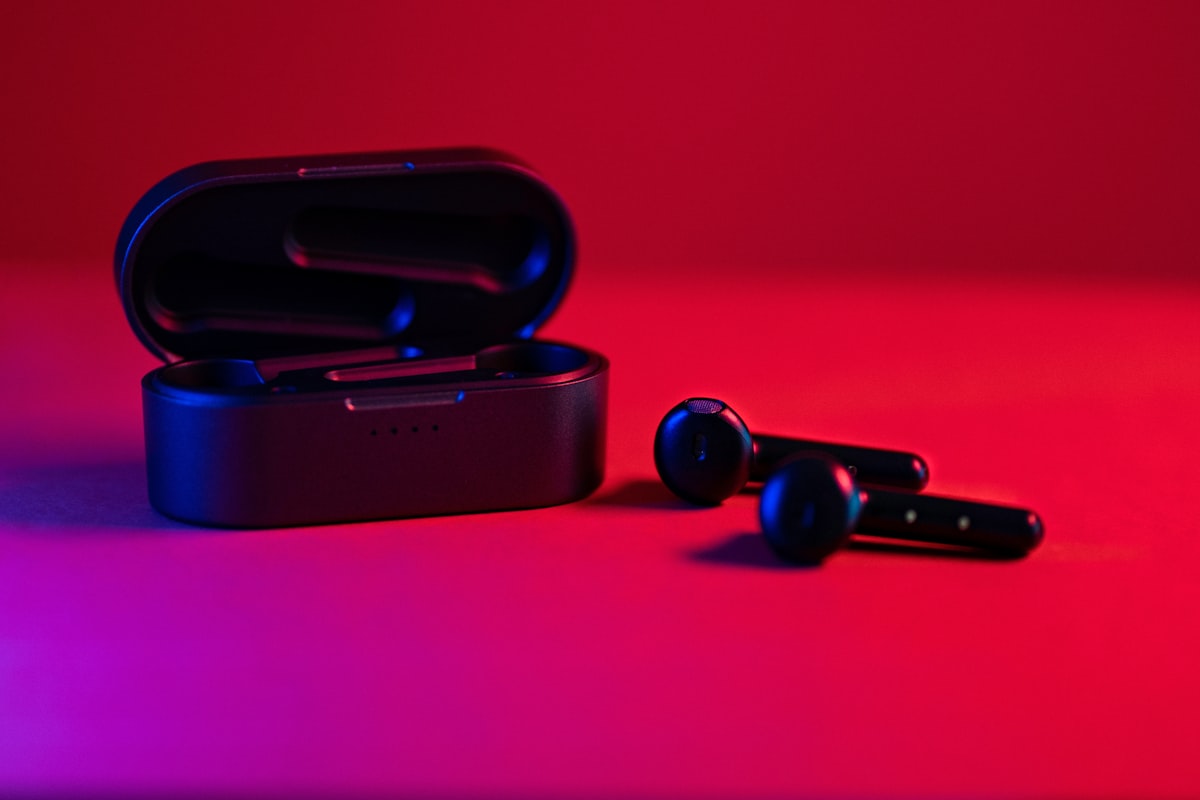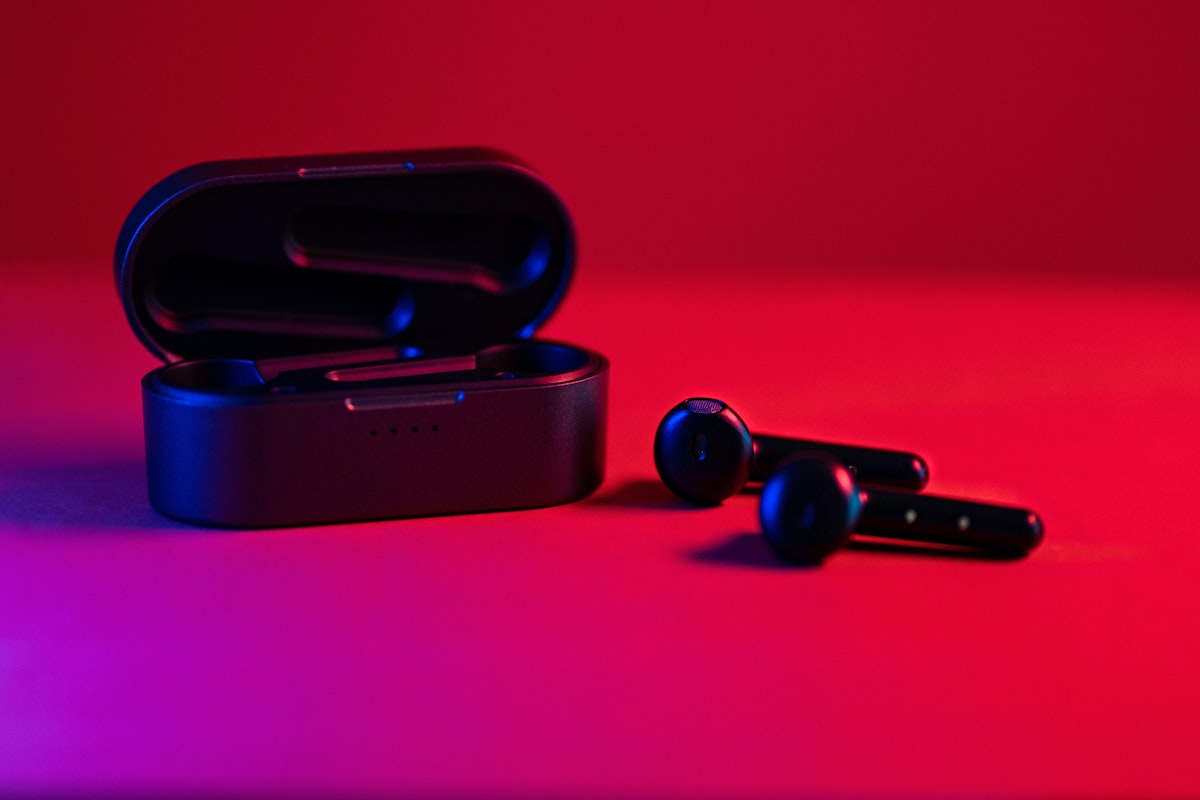
AirPods Pro 3 vs Sony WF-1000XM5
Two weeks of daily switching revealed two different philosophies—and one clear winner depending on who you are
I spent fourteen days living between two worlds. Morning commute: AirPods Pro 3, paired to my iPhone, seamless and invisible. Afternoon gym session: Sony WF-1000XM5, paired to my Android test device, powerful and customizable. Evening: back to AirPods for calls and content. This wasn't just a comparison—it was an immersion in two completely different approaches to what wireless earbuds should be.
The price gap has narrowed. AirPods Pro 3 now sell for £199 (down from £249 at launch). The Sony WF-1000XM5 hold steady at £279. That's an £80 difference, but the gap isn't just financial—it's philosophical. Apple sells convenience. Sony sells performance. Your choice depends on which matters more to you.
Check AirPods Pro 3 price on Amazon UK →
Check Sony WF-1000XM5 price on Amazon UK →
The Fundamentals: Specifications at a Glance
| Feature | AirPods Pro 3 | Sony WF-1000XM5 |
|---|---|---|
| Price | £199 | £279 |
| ANC Quality | Excellent | Excellent |
| Battery (buds) | 6 hours | 8 hours |
| Battery (with case) | 30 hours | 24 hours |
| Codec Support | AAC | LDAC, AAC, SBC |
| Water Resistance | IPX4 | IPX4 |
| Weight (per bud) | 5.3g | 5.9g |
| Microphone Quality | Excellent | Very Good |
| App Customization | Limited | Extensive |
Both earbuds deliver flagship performance in noise cancellation, both fit securely for most ear shapes, and both support wireless charging. The differences emerge in philosophy, not specifications.
Living with the AirPods Pro 3: Apple's Invisible Hand
The AirPods Pro 3 experience is defined by what you don't notice. Put them in your ears, and they connect before you've finished the motion. Start playing music, and audio appears without delay. Receive a call, and the transition happens automatically. Apple's ecosystem integration isn't a feature—it's the absence of friction.
What kept me reaching for them:
Automatic device switching remains Apple's killer feature. I work across iPhone, iPad, and Mac throughout the day. With AirPods, I never think about Bluetooth menus. Start playing audio on any device, and the earbuds follow. The Sony requires manual reconnection each time, or using their app's clunky "multipoint" feature that works but adds latency.
Transparency mode is still unmatched. Sony improved theirs significantly with the XM5—the XM4's transparency sounded like a cheap phone speaker—but Apple's remains the benchmark. The AirPods Pro 3's transparency mode doesn't sound "processed"; it sounds like you're not wearing earbuds. Voices cut through naturally, environmental awareness feels authentic, and the transition from ANC to transparency is seamless.
Call quality matters more than most reviews acknowledge. I take 5-6 video calls daily. The AirPods Pro 3's beamforming microphones isolate my voice better than any competitor I've tested. Background noise suppression is aggressive but effective—callers consistently said I sounded "like I'm in a studio" while I was walking past construction on Euston Road. The Sony XM5 handle calls competently but lack the same isolation quality.
The friction points:
The limited codec support stings. Apple refuses to support LDAC, aptX, or any high-resolution Bluetooth codec. You're locked to AAC, which maxes out at 250kbps. For most content—Spotify, podcasts, YouTube—this is fine. For lossless streaming from Tidal or Apple Music's own hi-res tier, you're not hearing the full quality. The Sony's LDAC support (990kbps) genuinely delivers better audio fidelity with compatible sources.
Battery life trails the competition. Six hours of ANC listening requires mid-day charging for heavy users. The Sony's eight hours means I can commute, work, and exercise without thinking about the case. The AirPods case charges faster and holds more total juice (30 hours vs 24), but the per-charge runtime matters more in daily use.
Compare AirPods Pro 3 prices on Amazon →
Living with the Sony WF-1000XM5: Power and Precision
The Sony experience is defined by control. Their Headphones Connect app offers EQ bands, noise cancellation profiles, ambient sound levels, speak-to-chat sensitivity, and more. If you enjoy tinkering, Sony delivers. If you prefer "just works," Sony frustrates.
What kept me reaching for them:
Sound quality with LDAC is demonstrably superior. Connected to my Android device with LDAC enabled (990kbps), the XM5 reproduce detail the AirPods simply can't convey. High-frequency shimmer, bass texture, stereo imaging width—all improved. It's not night-and-day (both are excellent), but side-by-side, the Sony sounds more "hi-fi." The built-in EQ helps too: I prefer a slight bass boost for electronic music, which Sony's app provides easily.
Battery life removes anxiety. Eight hours of ANC listening means I charge the case every three days instead of every two. For travelers or anyone who forgets to charge regularly, this matters. The case is also more pocketable than Apple's—smaller footprint, though slightly thicker.
ANC customization offers situational optimization. Sony's app lets you create profiles: maximum isolation for flights, wind noise reduction for outdoor walks, voice focus for office environments. The AirPods offer "ANC on" or "off"—effective, but inflexible. In strong wind, the Sony's wind-noise algorithm noticeably outperforms Apple's.
The friction points:
Ecosystem integration is weak if you're not all-in on Android. The Sony app exists for iOS, but features like location-based profiles, Google Assistant integration, and automatic device switching don't work properly. With an iPhone, you're getting 70% of the Sony experience. With an Android phone, you're getting 100%.
Multipoint connection exists but adds complexity. Sony's implementation requires enabling a feature in the app, introduces audio latency when switching, and occasionally fails to connect the second device. Apple's automatic switching "just works"—no configuration, no menu diving, no failures.
Transparency mode improved from the XM4 but still sounds processed. Voices have a slight metallic tint, environmental audio feels amplified rather than natural. It's usable for conversations, but I always preferred removing the Sonys for extended dialogue. The AirPods stayed in for hours of meetings; the Sonys came out during coffee breaks.
Compare Sony WF-1000XM5 prices on Amazon →
Deeper Differences: Nuanced Comparison Points
Beyond the obvious, several factors emerged during two weeks of alternating use.
Fit and comfort: Both fit securely, but differently. The AirPods Pro 3's redesigned tips create a shallower, more comfortable seal for my ears. Four hours of continuous wear caused no fatigue. The Sony's foam tips (included) provide better isolation but deeper insertion, which caused slight soreness after extended sessions. Your ear shape determines the winner here—both offer multiple tip sizes, but the AirPods fit more universally in my testing.
Case quality: Sony's matte plastic case resists scratches and fingerprints. After two weeks in my pocket, it looked new. Apple's glossy case accumulated micro-scratches immediately. Functionally identical, aesthetically different after daily use.
Firmware updates: Sony delivers firmware through their app with changelogs and rollback options. Apple pushes updates silently overnight with no notification. The Sony approach respects user agency; the Apple approach prioritizes simplicity. Which you prefer reveals your philosophy.
Voice assistant integration: "Hey Siri" works flawlessly on AirPods—fast, accurate, always listening. The Sony supports Google Assistant or Alexa (configurable), but activation requires pressing a button or enabling always-on listening (which drains battery faster). Apple's integration is tighter, as expected.
Physical controls: Sony wins here. Touch sensors on each earbud support customizable gestures: volume, track skip, voice assistant, ANC toggle. The AirPods force-censor controls remain limited: squeeze for play/pause, hold for ANC/transparency. Adjusting volume requires Siri or reaching for your phone. After using Sony's volume gestures, the AirPods felt deliberately limited.
Making the Choice: Which Should You Buy?
Neither product is objectively better. They're optimized for different users.
Choose the AirPods Pro 3 if:
- You use an iPhone as your primary device (non-negotiable)
- You value ecosystem integration over raw audio quality
- You take frequent calls and need the best microphone quality
- You prioritize transparency mode for situational awareness
- You prefer "it just works" over customization options
- You want to spend £80 less for comparable ANC performance
Choose the Sony WF-1000XM5 if:
- You use Android or split time between platforms
- You want LDAC codec support for high-resolution audio
- You enjoy EQ customization and audio tweaking
- Battery life is a priority (8 vs 6 hours matters to you)
- You need physical volume controls on the earbuds
- You don't mind sacrificing some ecosystem convenience for performance
Consider neither and wait if:
- You need longer battery than either provides (8 hours max)
- You want true lossless audio (neither supports it properly)
- You're satisfied with your current earbuds and don't need an upgrade
- The £199-£279 price point is too high for your budget
Final Verdict: Two Paths, Both Valid
After two weeks of daily switching, I can't declare a single winner. I can declare two winners for two different audiences.
For iPhone users: The AirPods Pro 3 is the logical choice at £199. The ecosystem integration, superior transparency mode, and call quality justify the purchase despite limited codec support and shorter battery life. You're buying into Apple's vision of computing—seamless, invisible, occasionally frustratingly limited. Score: 8/10
For Android users or audiophiles: The Sony WF-1000XM5 at £279 delivers better raw audio quality, longer battery life, and customization that Apple refuses to provide. You're buying into Sony's vision—powerful, configurable, occasionally complex. Score: 8.5/10 (with Android), 7/10 (with iPhone)
The £80 price difference reflects more than features—it reflects philosophy. Apple charges less and delivers convenience. Sony charges more and delivers control. Your preference between those two values determines your purchase.
Me? I kept the AirPods Pro 3 for daily iPhone use and the Sony XM5 for dedicated listening sessions with my music player. The ideal setup, if you can justify both, is using each for what they do best.
Buying either?
Both earbuds frequently drop to £179 (AirPods) and £249 (Sony) during sales. Check current pricing below before purchasing at full retail.Affiliate Disclosure
Beyond The Static participates in the Amazon Associates Programme. This comparison contains affiliate links—if you purchase through these links, we may earn a commission at no extra cost to you. We purchased both the AirPods Pro 3 and Sony WF-1000XM5 with our own funds; neither Apple nor Sony provided review units or compensation.Have questions about the AirPods Pro 3 or Sony WF-1000XM5? Drop a comment below or reach out on social media. This comparison reflects two weeks of daily alternating use between both earbuds.