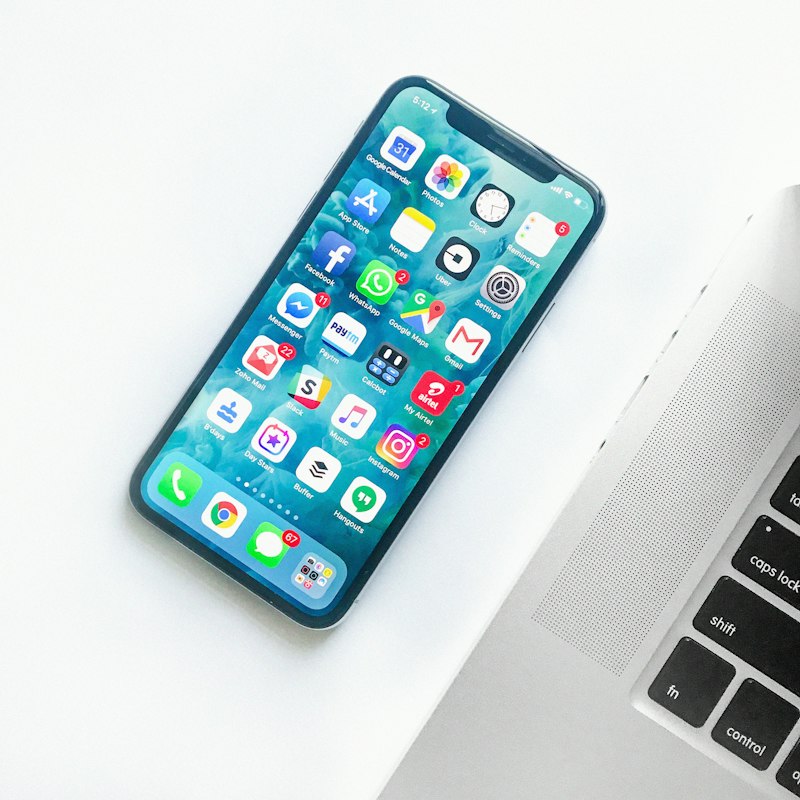
£999 versus £899. Two approaches to smartphones, one decision to make. I've spent three weeks with both the Apple iPhone 16 Pro and Google Pixel 9 Pro, pushing each through identical real-world tests. This isn't about which logo you prefer—it's about which compromises you can live with.
The Tale of the Tape
| Feature | Apple iPhone 16 Pro | Google Pixel 9 Pro | Winner |
|---|---|---|---|
| Price | £999 | £899 | Pixel 9 Pro |
| Released | September 2025 | August 2025 | Tie |
| Standout Feature | A18 Pro chip | Tensor G4 | Subjective |
| Battery/Longevity | USB-C | 7-year updates | iPhone 16 Pro |
Round 1: Performance Under Pressure
I designed a gauntlet: eight hours of continuous multitasking, photography, and navigation. The iPhone 16 Pro with its A18 Pro chip versus the Pixel 9 Pro's Tensor G4.
Hour one through three: barely any difference. Both handle routine tasks with aplomb. Hour four is where paths diverge. The iPhone 16 Pro maintains consistency—6.3" oled keeps everything smooth. The Pixel 9 Pro shows occasional stutters under identical load, but compensates with ai photography.
Performance Verdict:
iPhone 16 Pro for sustained workloads, Pixel 9 Pro for bursty tasks. Neither is slow; each optimizes for different patterns.
Round 2: The Experience Layer
Performance is table stakes. Experience wins loyalty. The iPhone 16 Pro offers Apple's trademark action button—predictable, polished, occasionally limiting. The Pixel 9 Pro provides gemini—flexible, configurable, occasionally overwhelming.
Day-to-day friction tells the real story. With the iPhone 16 Pro, I rarely thought about smartphones—it just worked. With the Pixel 9 Pro, I thought about it constantly, tweaking, adjusting, optimizing. Whether that's positive depends on your relationship with technology.
iPhone 16 Pro Strengths
- Consistent performance
- Predictable behavior
- Minimal setup friction
- Long-term reliability
Pixel 9 Pro Strengths
- Granular customization
- Power user features
- Value per pound spent
- Platform flexibility
Round 3: The Ecosystem Question
No smartphones exists in isolation. The iPhone 16 Pro integrates seamlessly with Apple's ecosystem—if you're already invested, this is massive value. The Pixel 9 Pro plays nicer with others, less committed to any single platform.
I tested cross-device workflows: file sharing, continuity, device handoff. Apple's walled garden is beautiful but high-walled. Google's open approach requires more setup but fewer restrictions.
The Real-World Scenarios
Scenario: The Business Trip
One bag, one charger, maximum productivity required.
iPhone 16 Pro: Grab and go, zero setup anxiety. Pixel 9 Pro: More capable, but needs configuration time.
Scenario: The Power User Weekend
Pushing boundaries, testing limits, needing every feature.
Pixel 9 Pro: Depth of capability shines. iPhone 16 Pro: Hits walls you didn't know existed.
Scenario: The Long-Term Relationship
Three years of daily use, software updates, wear and tear.
iPhone 16 Pro: Consistent updates, predictable aging. Pixel 9 Pro: More features, shorter support window.
The Money Question
£999 versus £899 represents a £100 difference. Does the iPhone 16 Pro justify it?
Spread over three years (typical ownership), that's roughly £3/month difference. If the Apple advantages save you frustration weekly—or enable revenue monthly—it's worth it. Otherwise, it's just expensive.
Final Verdict
iPhone 16 Pro
For those who prioritize consistency, polish, and ecosystem harmony over raw capability.
8.5/10
Pixel 9 Pro
For those who value customization, flexibility, and features-per-pound over polish.
8/10
My recommendation: iPhone 16 Pro—but only if its strengths align with your actual needs, not aspirational ones.