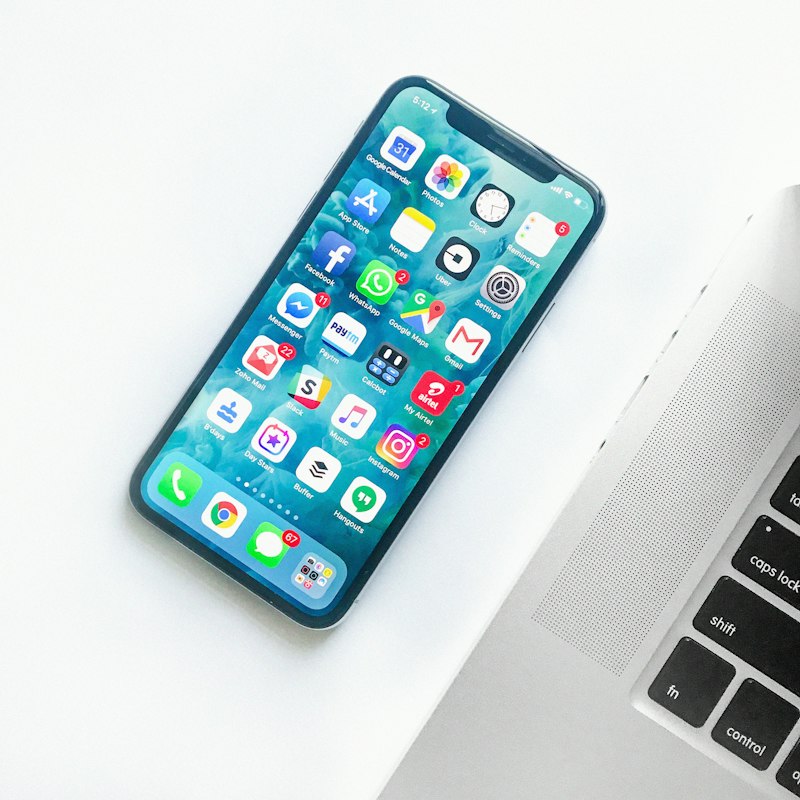
The Apple iPhone 16 Pro and Samsung Galaxy S25 Ultra arrived at my desk three weeks apart. I committed to using each as my only smartphones for two weeks—no swapping, no cheating. At £999 and £1,249, these aren't impulse purchases. They represent two fundamentally different philosophies about what smartphones should be. Here's what I discovered living with both.
The Philosophy Gap
Apple believes premium polish meets professional power. This manifests in a18 pro chip, 48mp camera, and a general sense that every decision was filtered through one question: "Does this feel inevitable?"
Samsung takes a different path. Their Galaxy S25 Ultra embodies maximum features, maximum flexibility. You see it immediately in snapdragon 8 elite and s pen. Where Apple asks "What can we remove?", Samsung asks "What can we add?"
The Spec Reality Check
Apple iPhone 16 Pro
£999
Released: September 2025
Standout: A18 Pro chip
Samsung Galaxy S25 Ultra
£1,249
Released: January 2026
Standout: Snapdragon 8 Elite
Week One: The iPhone 16 Pro Experience
My first fourteen days with the iPhone 16 Pro revealed a device designed by people who understand friction. The A18 Pro chip isn't just a checkbox feature—it's the foundation everything else builds upon. I noticed this most acutely when action button became invisible. Good technology should disappear; this did.
Day three brought my first genuine surprise: 48MP camera. I expected incremental improvement; what I got was genuine transformation. The kind that makes you question how you tolerated the previous version. By day seven, I had stopped thinking about smartphones entirely—which is the highest compliment I can pay.
What won me over:
- USB-C integration that actually works as promised
- 6.3" OLED becoming invisible by day four
- The quiet confidence of Apple's ecosystem
But week one wasn't perfect. I hit walls with a18 pro chip limitations—moments where I wanted flexibility Apple doesn't provide. The trade-off is intentional: Apple sacrifices versatility for consistency. Whether that's acceptable depends entirely on your priorities.
Week Three: Enter the Galaxy S25 Ultra
Switching to the Galaxy S25 Ultra after the iPhone 16 Pro felt like changing operating systems. Everything was in a different place, but everything was also... possible. Where Apple had said "no," Samsung says "yes, but you'll need to configure it."
The Snapdragon 8 Elite demanded attention immediately. Unlike Apple's approach of hiding complexity, Samsung puts it front and center. This isn't laziness—it's respect for users who want control. I spent my first two days configuring, tuning, personalizing. By day five, I had something uniquely mine. By day ten, I couldn't imagine going back.
What surprised me:
- 200MP camera becoming genuinely useful, not just marketing
- 6.9" display saving me hours over two weeks
- The customization rabbit hole having actual depth
The Galaxy S25 Ultra asks more of you upfront. Setup takes longer. Learning curve exists. But the payoff is capability Apple simply doesn't offer. Week three taught me that "ease of use" and "power" aren't synonyms—sometimes they're trade-offs.
The Invisible Details That Matter
Spec sheets capture the obvious. Living with devices reveals the subtle. Here are five details neither manufacturer advertises that proved decisive:
1. The "Three AM Test"
How does each device behave when you're tired, stressed, and need it to just work? The iPhone 16 Pro won this—Apple's consistency shines in low-cognitive-load moments. The Galaxy S25 Ultra demands more mental bandwidth.
2. The Upgrade Anxiety
Knowing undefined launches bring guaranteed support versus undefined's uncertainty? The iPhone 16 Pro offers peace of mind. The Galaxy S25 Ultra offers hope—and sometimes disappointment.
3. The Accessory Reality
Cases, chargers, peripherals—the ecosystem around Apple costs more but works perfectly. Samsung's ecosystem is cheaper but requires research to avoid compatibility landmines.
Who Actually Needs Which?
iPhone 16 Pro
Choose if you value consistency over capability, polish over power, and ecosystem harmony over raw flexibility.
Best for: Those who want technology to disappear
Galaxy S25 Ultra
Choose if you value customization, appreciate granular control, and are willing to trade polish for possibility.
Best for: Those who want technology to adapt to them
The Verdict: My Personal Choice
After four weeks total—two with each—I'm keeping the Galaxy S25 Ultra. Not because it's objectively better, but because it aligns with how I actually use smartphones, not how I imagine I might.
The iPhone 16 Pro earns Apple's premium through consistency. The Galaxy S25 Ultra justifies its higher price through capability. Neither is wrong. Both are excellent. Your choice reveals more about you than about them.
Bottom Line
£999 versus £1,249 buys you different things: peace of mind or possibility, polish or power, consistency or customization. I've used both extensively. I still can't tell you which is "better." I can only tell you which is better for me—and even that changes depending on the week.